Every 2
October, Guinea remembers.
It remembers 1958, its women
and men, their struggles, their hopes, and the moment when the country’s
destiny took a new direction.
For sixty-eight years,
generations of historians, journalists, teachers, public officials and citizens
have told this story. It must continue to be told, because a people that
forgets its history weakens part of its identity.
For 2 October 2026, however,
Afrique Aujourd’hui has chosen to look at that same history differently.
We do not want only to ask:
“What happened in 1958?”
We want to ask: “What will
remain of us in 2058?”
In just thirty-two years,
the Republic of Guinea will celebrate the centenary of its independence. And
thirty-two years in the life of a nation is tomorrow.
IT IS 2 OCTOBER 2058…
Imagine for a moment.
It is 2 October 2058. Guinea
is one hundred years old.
In the streets of Conakry,
Kankan, Labé, N’Zérékoré, Kindia, Boké, Faranah, Mamou and elsewhere, red,
yellow and green are flying once again.
A new generation is
celebrating. The children born today, in 2026, are thirty-two years old. They
have become teachers, doctors, journalists, researchers, craftspeople, farmers,
engineers, soldiers, entrepreneurs, artists or public officials.
Some live in Guinea. Others
have returned from abroad to celebrate their country’s centenary.
They look at photographs
from 2026 as we look at old photographs today. And perhaps they will ask: “Who
were they? How did they live? What did they dream of? What did they leave us?”
That is where our
responsibility truly begins.
INDEPENDENCE ALSO BELONGS TO THE UNKNOWN
History remembers the great
names. It remembers speeches, leaders, decisions and major dates.
But behind official history
lies another history: that of ordinary people. Market women, teachers, workers,
farmers, civil servants, soldiers, young people and families - all those who
lived through historic days without ever seeing their names printed in a
textbook.
How many photographs are
still sleeping in old suitcases? How many letters are yellowing in family
homes? How many testimonies have never been recorded? How many grandparents
left us carrying part of Guinea’s history with them simply because nobody thought
to ask: “Tell me what it was like.”
A nation does not lose its
memory only when archives disappear. It also loses it whenever an elder leaves
without having had the opportunity to pass on his or her story.
1978: THEY TOO WERE CELEBRATING
Let us go back for a moment.
On 2 October 1978, Guinea
celebrated twenty years of independence. Men and women were filled with
enthusiasm. They sang, danced, marched, gathered with their families and looked
toward the future.
For them, 1978 was the
present. The year 2026 must have seemed infinitely far away.
Forty-eight years have
passed. How many of those faces are still among us? Many have left us.
They had projects, concerns,
ambitions, friendships, disagreements and dreams. Then time continued on its
way.
Today it is our turn. We are
preparing to celebrate 2 October 2026, and we look at 2058 as a distant date.
Yet only thirty-two years separate us from it.
When 2 October 2058 arrives,
some of us will still be here. Many others will have joined those who came
before us.
That is the course of life.
SO LET US PASS SOMETHING ON - NOW
Whatever our position today,
whatever our wealth, influence or fame, we are all passing through.
One day, someone else will
sit at our desk. Someone else may live in our house. Our clothes will be gone.
Our phones will have become objects from another age. And our photographs will
make our grandchildren ask: “What was it like in 2026?”
So, while we are still here,
let us pass something on.
Let us give our children the
best of what we have. Let us love our families. Preserve our friendships.
Respect those around us. Reconcile while there is still time. Tell our stories.
Keep our photographs. Record the voices of our elders. Tell those we love that
they matter to us.
Life is fleeting. Whether we
like it or not, our time on this earth has a beginning and an end. But what we
pass on can continue long after us.
ONE FAMILY, ONE MEMORY
For this 68th anniversary,
Afrique Aujourd’hui therefore makes a very simple invitation: One family, one
memory.
Take ten minutes. Sit beside
a father, a mother, a grandfather, a grandmother, or simply the oldest person
around you.
Place your phone in front of
them and ask: “Tell me about the Guinea of your childhood.” Or: “What is your
oldest memory of our country?”
Then let them speak. Do not
interrupt. Listen. Record. Preserve.
That small file that seems
unimportant today could become, thirty years from now, one of your family’s
most precious possessions. A voice that is gone, but can still be heard, is
already an archive.
A LETTER TO THE GUINEAN CHILD OF 2058
To you who may one day read
us,
We are writing to you from 2
October 2026. To us, 2058 still seems far away. To you, it will be the present.
We do not know what Conakry
will look like. We do not know what technologies you will use, what professions
will exist, or even how you will read these words.
But we hope for one thing:
that you know where you come from.
We hope someone will have
told you about 1958. We also hope someone will have told you about 2026. That
you will know not only the great figures of national history, but also the
history of your own family.
When you celebrate Guinea’s
hundredth anniversary, do not look only at monuments. Look for faces too.
Listen to voices. Open family albums. Question the elders who will still be
with you.
Behind every great date are
millions of ordinary lives. And among those lives were ours.
AND IF ONE DAY THIS PEN FALLS SILENT…
Allow your journalist one
final personal thought.
Through Afrique Aujourd’hui,
this pen speaks to you about our continent, its peoples, its economy, its
difficulties, its achievements, its contradictions, its growth and, above all,
its future. It tries to inform you, question you and sometimes invite you to
see things differently.
But the journalist, too, is
only passing through.
So if one day this pen no
longer comes to speak to you about Africa, do not be surprised. Other pens will
come. Other journalists will take over. Other generations will tell the story
of their time.
And if, somewhere in 2058, a
child comes across a few lines signed Amine Michel and spends a few minutes
reading them, perhaps this pen will not have fallen entirely silent.
People pass. Ideas, memories
and what we transmit can outlive us.
1958 GAVE US A HISTORY. 2026 MUST PASS ON A MEMORY.
Perhaps this is another way
to celebrate 2 October.
Not only by looking behind
us. Not only by repeating what we already know. But by asking what those who
come after us will know about us.
1958 now belongs to History.
2026 is in our hands. 2058 will belong to our children.
It is up to us to pass on
the baton.
Happy Independence Day to
the people of Guinea.
Happy Independence Day to
all those who carry Guinea in their hearts, in Africa and throughout the world.
And, for those who will be
there, see you on 2 October 2058.
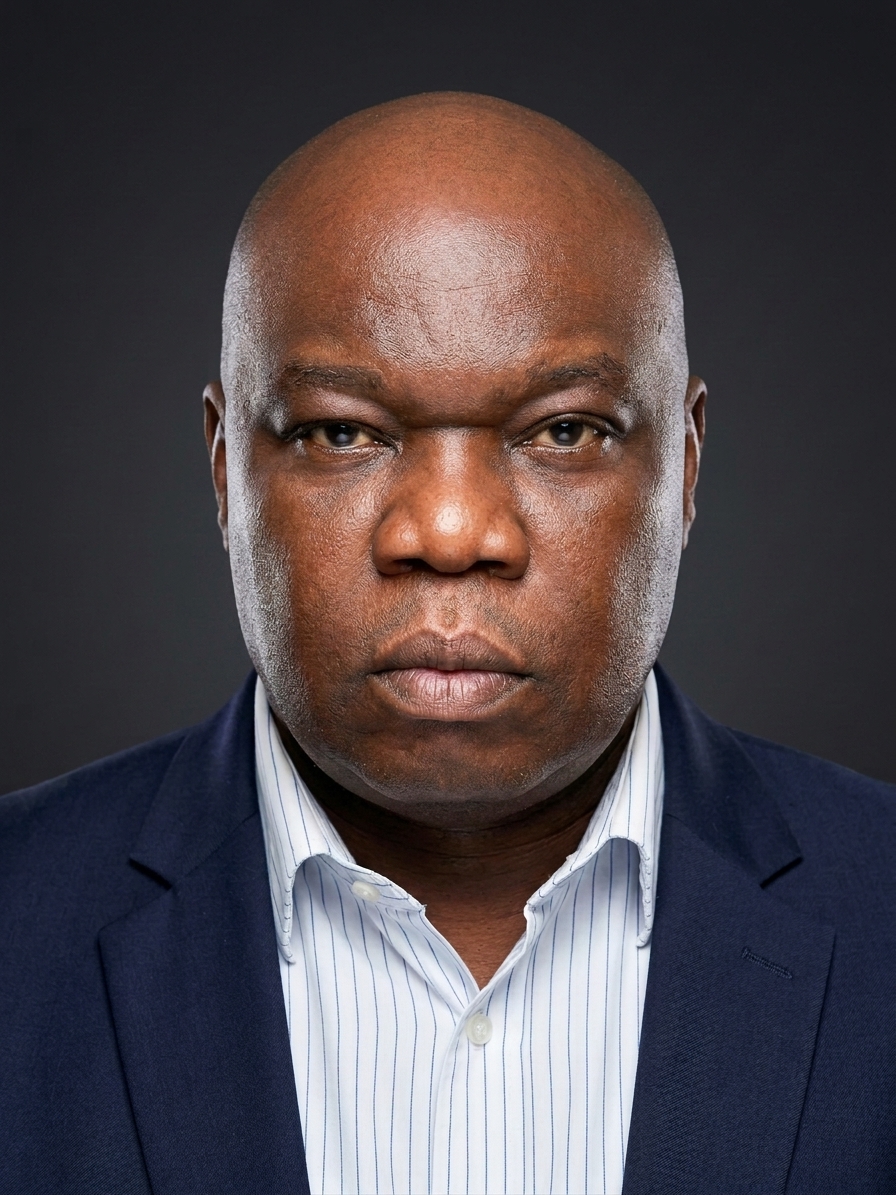
Amine Michel
Directeur de publication et Rédacteur en chef
COMMENTAIRES (0)